Exclusive Vendor Lists at Wedding Venues: Are They Helping or Hurting Couples and Vendors?
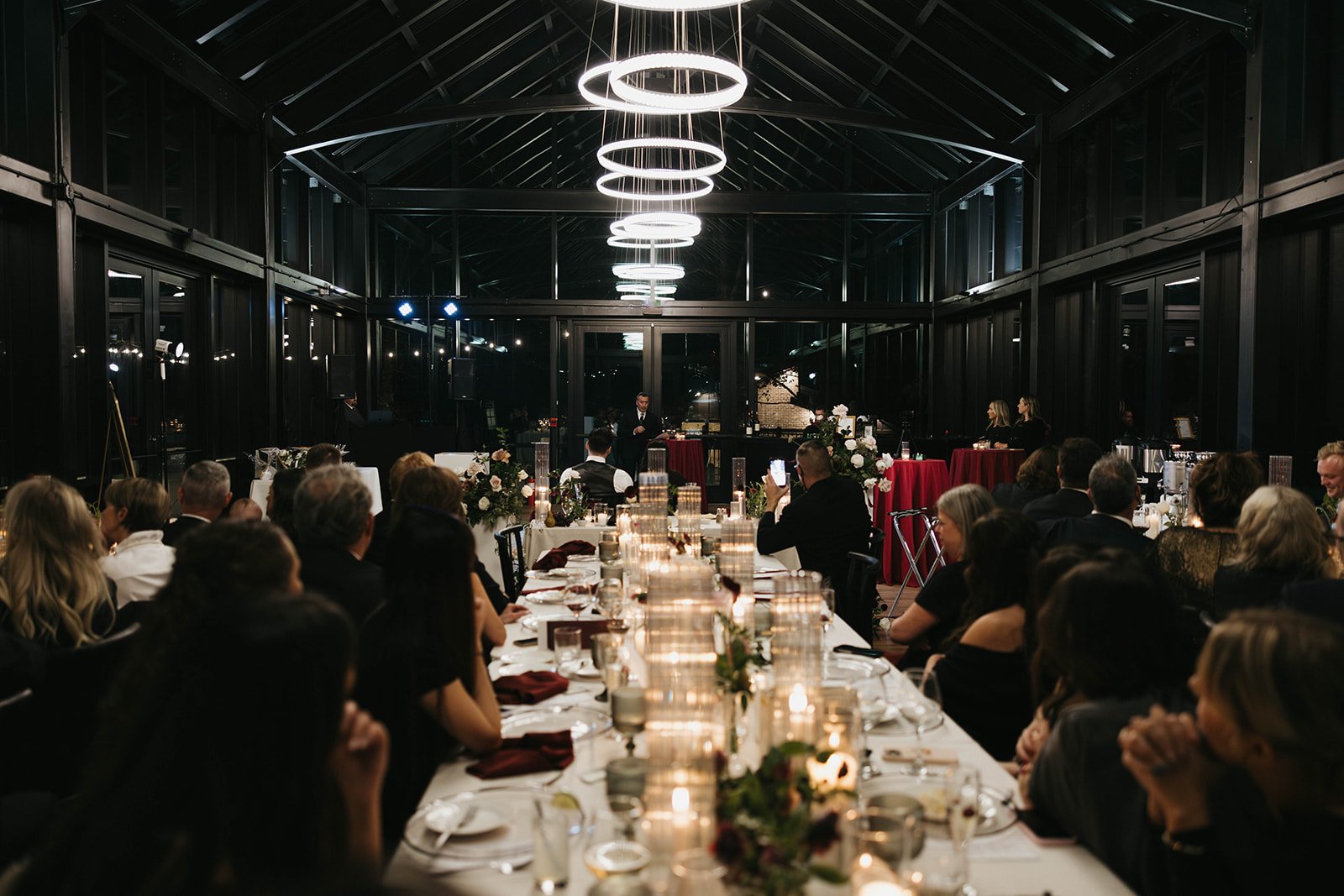
Let’s get one thing straight. I am all for a good wedding venue. Gorgeous windows, dreamy landscapes, and sometimes a fancy chandelier or two.
But when it comes to those pesky exclusive vendor lists, well, we need to talk.
In this post, I’m diving into the hot topic of exclusive vendor requirements: what’s actually going on, why the wedding community is talking about it (hello, Nashville), how this affects both couples and wedding pros, and what we can all do about it.
Whether you’re a couple planning your big day or a wedding planner navigating new realities, grab your coffee (or wine, no judgment here) and let’s get into it.
What Are Exclusive Vendor Lists?

For the uninitiated, an exclusive vendor list is when a wedding venue requires you to use specific vendors, such as caterers, florists, planners, or photographers, for your event.
Sometimes there’s a small list to choose from. Other times it feels more like, "Here is the vendor. We hope you like their meatloaf."
Venues often prefer these lists because they make operations smoother. They know the vendors, trust their work, and can count on a consistent experience. That means fewer surprises, less risk, and a more streamlined planning process.
But what happens when the list becomes more about control than quality? That's where things become more complicated.
Nashville's Wedding Venue Shakeup
Recently in Nashville, a major hospitality group purchased three beloved venues that had previously been independently owned.
With the new ownership came a new policy: If you want to host your wedding there, you must use their preferred vendors.
Want your favorite florist? That may come with an additional fee.
Prefer your own caterer? You may be paying a significant markup, if it's even allowed.
Needless to say, many people in Nashville's wedding industry weren't thrilled.
There are real concerns about:
Losing business opportunities and creative freedom
Couples missing out on vendors they truly connect with
A growing sense of monopoly rather than community
It's a significant shift that's worth discussing.
The Benefits of Exclusive Vendor Lists
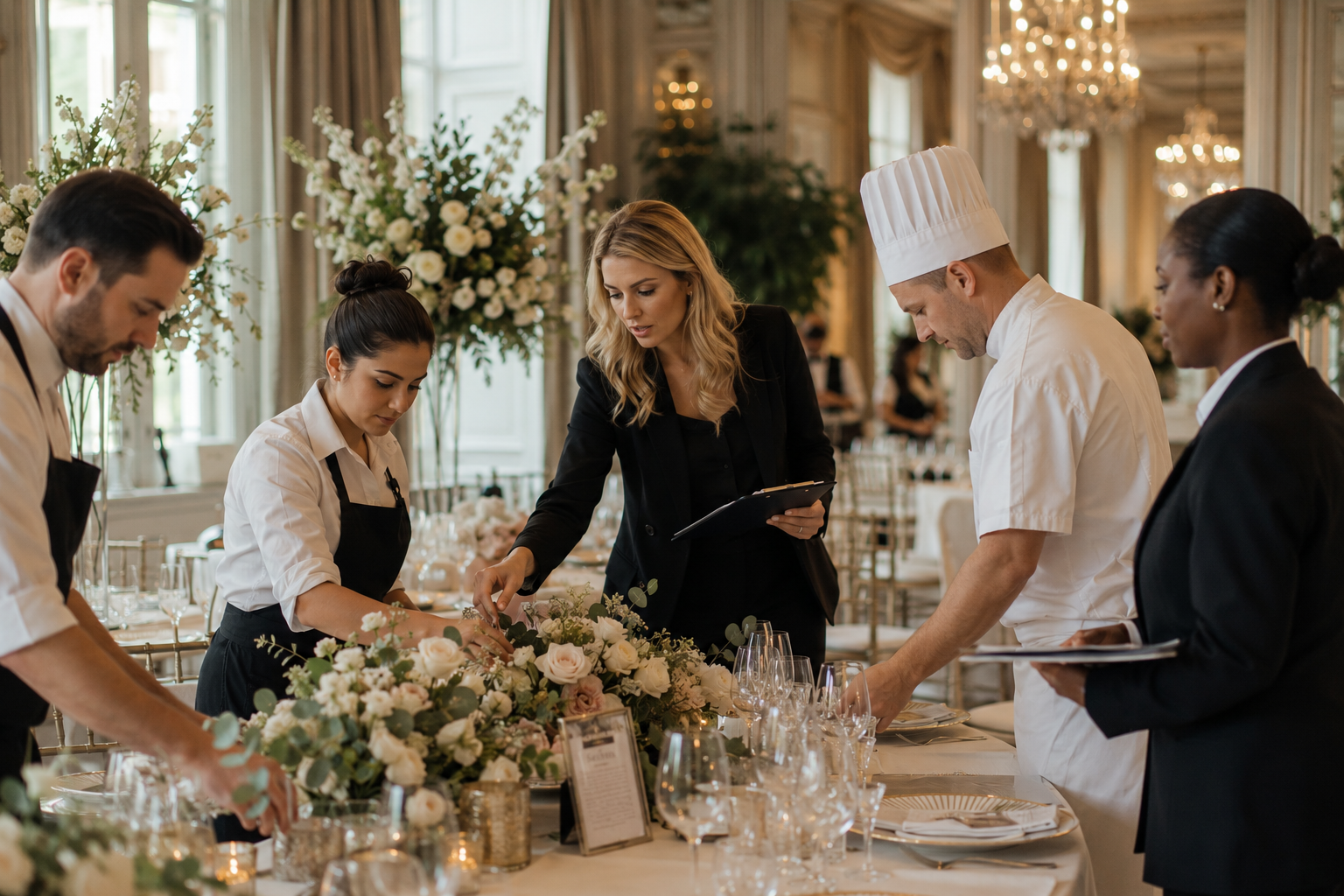
To be fair, there are legitimate advantages to exclusive vendor lists.
1. Predictable, Reliable Service
Working with the same vendors repeatedly creates consistency.
Everyone knows the venue, understands the logistics, and can work together efficiently. That familiarity often leads to smoother wedding days and fewer surprises.
2. Accountability and Trust
Venues build relationships with vendors who consistently perform well.
It helps protect their reputation and gives couples confidence that they're working with experienced professionals.
3. Easier Coordination
When vendors already know one another, communication is often easier.
Planning becomes more efficient, timelines run smoother, and everyone understands the expectations before the wedding day even begins.
4. Business Opportunities for Vendors
Being selected as an exclusive vendor can be a huge advantage.
I'm on one exclusive list in the Smoky Mountains, and I can personally say those referrals can fill your calendar quickly. When couples are choosing from a smaller group of professionals, it creates consistent business opportunities.
The Downsides of Exclusive Vendor Lists
While there are benefits, exclusive vendor policies also come with challenges that impact both couples and wedding professionals.
1. Creativity Can Be Limited
Every couple deserves a wedding that reflects who they are.
When vendor choices are restricted, it becomes harder to create a celebration that feels completely personal. Maybe you've followed a florist's work for years and always dreamed of working with them, only to find out they aren't allowed at your venue.
That can be disappointing.
2. Costs Can Increase
Many venues charge additional fees if couples choose vendors outside the approved list.
Those fees can add up quickly and put pressure on an already carefully planned budget.
3. Local Wedding Communities Can Suffer
When larger hospitality groups purchase multiple venues and limit vendor access, many talented local professionals lose opportunities.
Over time, it can reduce competition and make it harder for smaller businesses to thrive.
4. Couples Lose Flexibility
Your wedding should feel like your wedding.
When someone else decides who you can and can't hire, it takes away some of the freedom that makes your celebration unique.
The Bigger Picture
As more venues become part of larger hospitality groups, the wedding industry continues to evolve.
That means:
Wedding vendors may need to expand into new markets to continue growing their businesses.
Couples may need to become more intentional when researching venues and understanding vendor policies before booking.
Wedding planners will need to build new relationships while continuing to advocate for their clients.
The industry is changing, and both couples and vendors will need to adapt.
What Couples Can Do
If you're planning your wedding, don't panic.
There are still plenty of ways to create the wedding you envision.
Ask about vendor policies before signing a contract. Understand exactly what's required and whether there are additional fees.
Ask if exceptions are possible. Some venues are more flexible than they first appear.
Prioritize what's most important. If working with a specific photographer or planner matters most, let that help guide your venue decision.
Consider independently owned venues. They often provide greater flexibility when selecting vendors.
Lean on your wedding planner. We help navigate contracts, ask the right questions, and advocate for the experience you want.
Advice for Wedding Professionals
For my fellow wedding pros, here's how we can continue moving forward.
Build relationships with new venue owners.
Expand into additional markets when opportunities arise.
Strengthen your brand so couples specifically ask for you.
Support fellow vendors and continue building community over competition.
The stronger our relationships become, the stronger our industry becomes.
Final Thoughts
Exclusive vendor lists aren't inherently good or bad.
When they're built around trust, quality, and creating a better client experience, they can absolutely work.
But when they become overly restrictive or prioritize control over choice, everyone feels the impact.
At the end of the day, weddings should be personal.
They should reflect the couple's vision, values, and relationships with the people they trust most.
Finding the right balance between operational efficiency and creative freedom is something our industry will continue to navigate together.
Ready to Take the Next Step?
Whether you're choosing a venue, reviewing contracts, or trying to understand vendor policies, having someone in your corner can make all the difference.
If you're still feeling stuck or unsure where to begin, that's completely normal. The difference is what you do next.
If you want clarity fast, book a Pick My Brain session.
Thirty minutes can save you months of second guessing, overthinking, and going in circles.
You don't need more information. You need direction.
Let's get you moving.
